Death isn’t exactly a dinner table conversation, but let’s be honest: sooner or later, we all wonder what happens when life ends.
For many, cremation feels mysterious — or even a little scary. But here’s the thing: most of that fear comes from not knowing the facts.
Lauren, a former funeral home worker with over 2.5 million TikTok followers (@lovee.miss.lauren), is on a mission to demystify cremation. She’s seen firsthand the questions people are too shy to ask. And she’s not afraid to answer them.
How you can trust the ashes are really your loved one’s
The most common concern? “How can I be sure the ashes I get actually belong to my loved one?” Lauren explains that every body arriving at a crematory is tagged with a unique metal ID plate.
This plate stays with the body throughout the cremation process. Afterwards, the ashes are sealed with the proper identification, and families receive a cremation certificate listing the person’s name and registration number.
The weird questions are real
Yes, people ask unusual things — like, “What happens if a woman passes away during her period?” Lauren reassures that protocols are strict: items like tampons are removed, especially if an autopsy or embalming occurs. Everything is done with dignity, respect, and, importantly, the family’s consent.
Louise Singer, manager of Bramcote Bereavement Services in the UK, adds that coffins are carefully inspected for anything that can’t be burned, like pacemakers, which can explode under intense heat. Safety and respect go hand in hand.
What about the soul?
Here’s where things get really personal, and where beliefs shape everything.
Different religions and spiritual traditions see the journey after death differently.
1. A path to the next life
In Hinduism, cremation is standard. The soul, believed to be eternal, leaves the body and moves toward the next life. Fire is sacred, helping the soul detach and continue its journey.
So, cremation isn’t just a way to dispose of the body; it’s a spiritual ritual that helps the soul transition to the next stage of its journey.
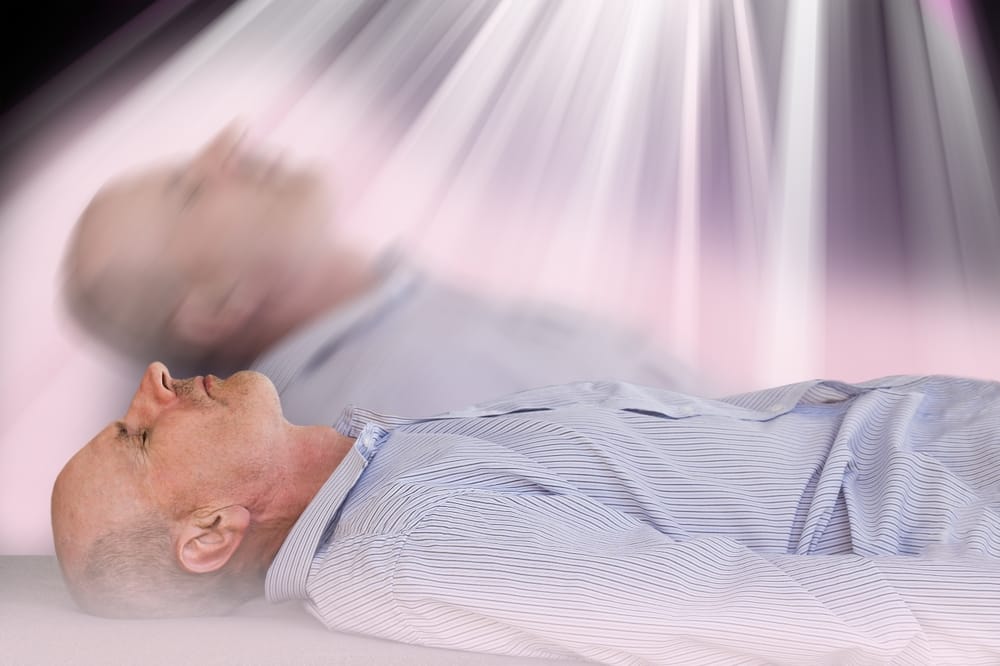
Buddhism also commonly practices cremation, but the focus isn’t on a permanent soul. Rather, it’s about the continuation of consciousness through cycles of rebirth. Cremation serves as both a ritual and a way to acknowledge life’s impermanence, honoring the natural cycle while supporting the ongoing journey of consciousness.
2. Faith over the flesh
Historically, Christians preferred burial because of resurrection beliefs. Today, most denominations accept cremation, as long as it doesn’t deny the hope of resurrection.
Christians believe that after death, the soul is judged by God and moves to heaven, hell, or a waiting state like purgatory. How the body is treated — whether buried or cremated — doesn’t affect the soul’s fate; faith and one’s relationship with God determine the soul’s path.
3. Respect and Dignity
Cremation is strictly prohibited in Islam. Burial is immediate and simple, reflecting the dignity owed to the body. Muslims believe the soul remains connected to the body until the Day of Judgment, so honoring the body is a spiritual duty.
4. Secular or spiritual perspectives
Not everyone follows organized religion. Many people see cremation as a natural return to the earth. Some imagine the soul moving to another plane, merging with the universe, or living on through memories.
Others, like humanists or scientists, see consciousness as ending at death, making cremation a practical or ecological choice rather than a spiritual one.
The Bottom Line
Cremation doesn’t have to be scary. With clear procedures, respect for the deceased, and understanding of the rituals and beliefs involved, it’s just another way to honor life. And whether you’re spiritual, religious, or simply practical, there’s room for peace with the process — and with what comes after.
What do you think happens to the soul when someone dies and is cremated? Feel free to share your thoughts in the comments.